Jazz Trio Videos
Embraceable You'Embraceable You' is a popular jazz song with music by George Gershwin and lyrics by Ira Gershwin. The song was written in 1928 for an unpublished operetta named East Is West. It was published in 1930 and included in the Broadway musical Girl Crazy where Ginger Rogers performed it in a song and dance routine choreographed by Fred Astaire. From Wikipedia.
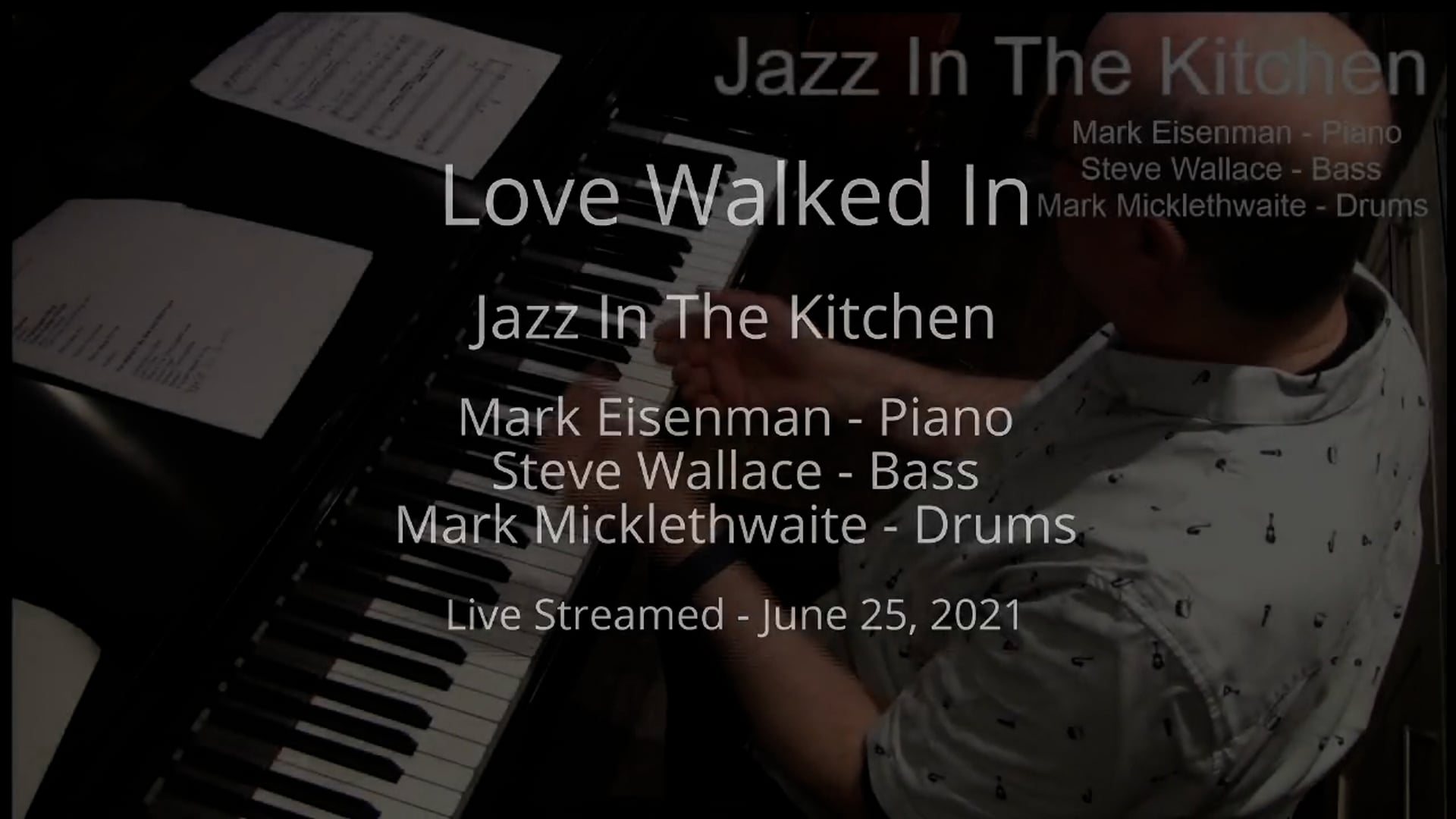
Love Walked In'Love Walked In' is a song composed by George Gershwin, with lyrics by Ira Gershwin. The tune was composed in 1930, but the lyric was not written until 1937, for the movie musical The Goldwyn Follies (1938), where it was sung by Kenny Baker. Hit versions include Sammy Kaye (1938), The Hilltoppers (1953), Ella Fitzgerald (1959) and Dinah Washington (1960). Artie Shaw recorded the song in the early 1940s. From Wikipedia.
Like Someone In Love'Like Someone in Love' is a popular song composed in 1944 by Jimmy Van Heusen, with lyrics by Johnny Burke. It was written (along with 'Sleigh Ride in July') for the 1944 film Belle of the Yukon, where it was sung by Dinah Shore. It was a hit for Bing Crosby in March 1945, reaching #15, and has since become a jazz standard. From Wikipedia.
My One And Only Love'My One and Only Love' is a popular song with music written by Guy Wood and lyrics by Robert Mellin. Published in 1953, it is a conventional 32-bar song with four 8-bar sections, including a bridge ('Type A' or 'AABA' song structure). Typically performed as a ballad, it has an aria-like melody that is a challenge to many vocalists; in the key of C, the song's melody extends from G below middle C to the second D above middle C. From Wikipedia.
Nightingale / These Foolish Things'A Nightingale Sang in Berkeley Square' is a romantic British popular song written in 1939 with lyrics by Eric Maschwitz and music by Manning Sherwin. 'These Foolish Things (Remind Me of You)' is a standard with lyrics by Eric Maschwitz, writing under the pseudonym Holt Marvell, and music by Jack Strachey, both Englishmen. Harry Link, an American, sometimes appears as a co-writer; his input was probably limited to an alternative 'middle eight' (bridge) which many performers prefer. From Wikipedia.
After You've Gone'After You've Gone' is a 1918 popular song composed by Turner Layton with lyrics by Henry Creamer. It was recorded by Marion Harris on July 22, 1918, and released by Victor Records. The chorus adheres to a standard ABAC pattern but is only 20 measures long. There are four 4-bar phrases, followed by a 4 measure tag. The song is harmonically active, with chord changes almost every measure. The opening four notes are identical to the opening notes of Peg o' My Heart (1912)—at the time songwriters often borrowed the first few notes of a hit melody. The song was so popular that the sheet music was later decorated with tiny photographs of the 45 men who made the song famous, including Paul Whiteman, Rudy Vallée, B.A. Rolfe, Guy Lombardo, and Louis Armstrong. From Wikipedia.
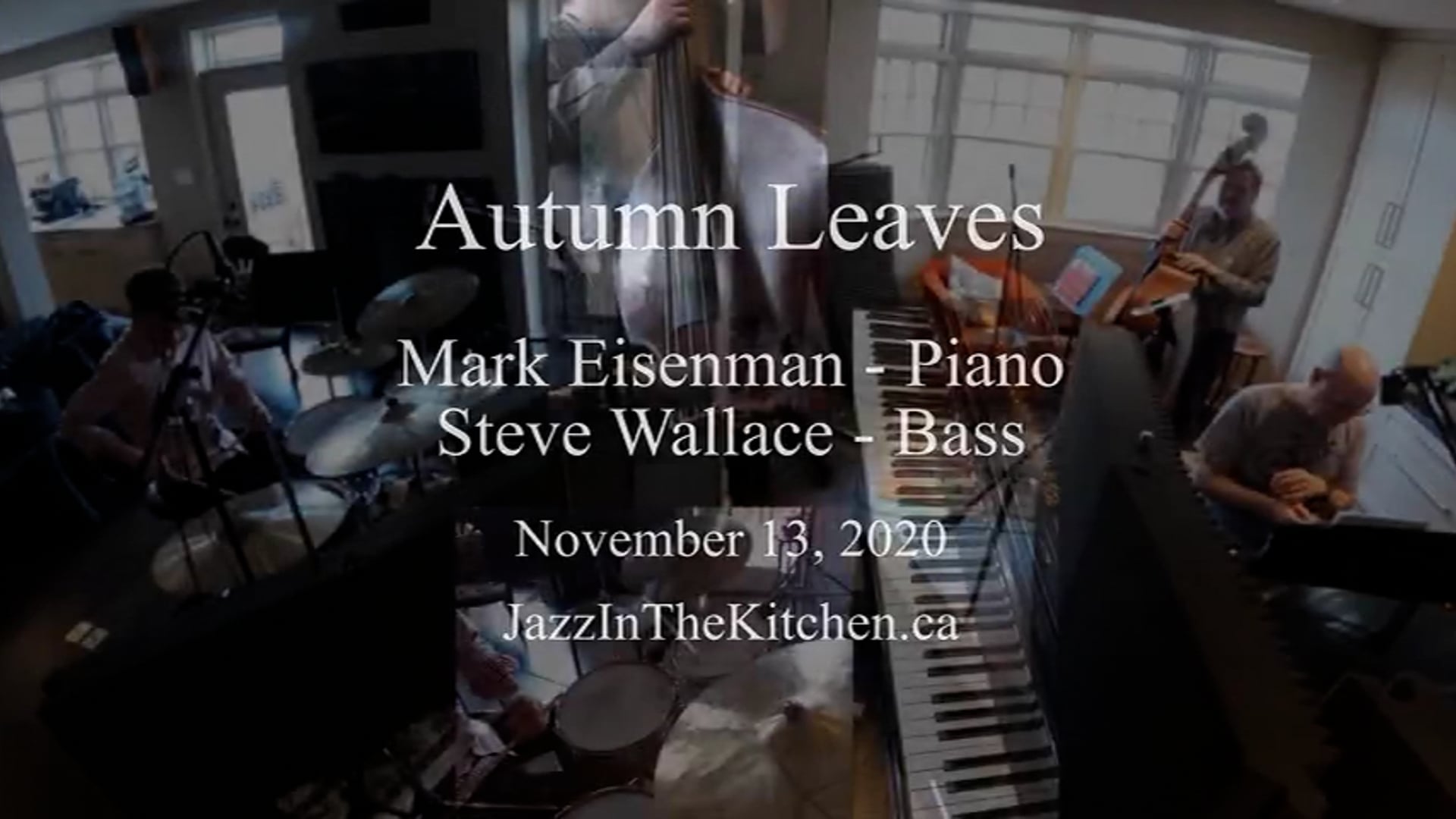
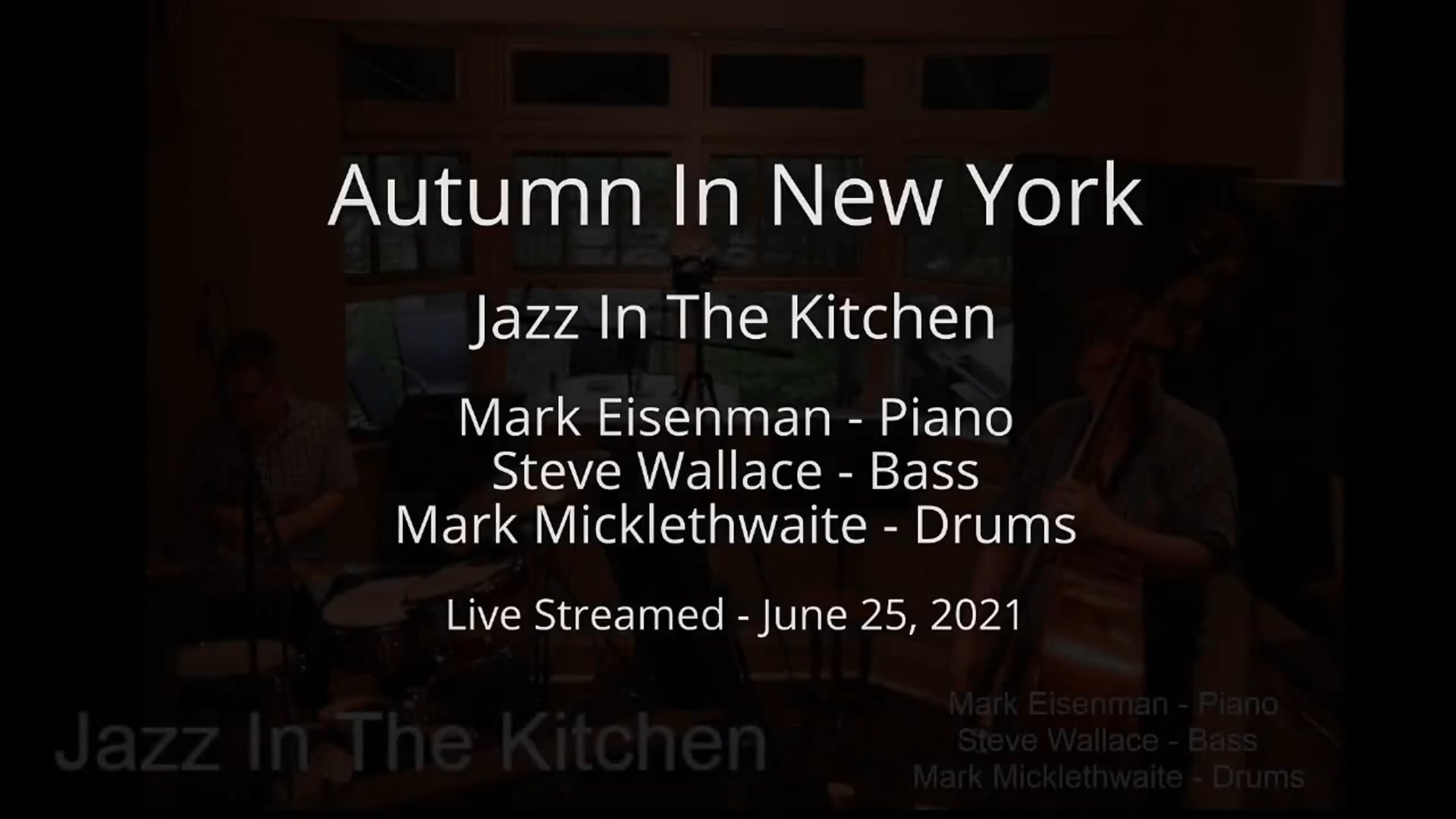
Autumn Leaves'Autumn Leaves' is a popular song and jazz standard composed by Joseph Kosma with original lyrics by Jacques Prévert in French, and later by Johnny Mercer in English. An instrumental version by pianist Roger Williams was a number 1 best-seller in the US Billboard charts of 1955. From Wikipedia.
Lotus BlossomThe history of Billy Strayhorn's 'Lotus Blossom' is a complicated one. Even the name changed over the years. It was known as 'Hominy,' 'All Roads Lead Back to You,' and, in 1947, Johnny Hodges recorded it as 'Charlotte Russe', presumably named for the popular dessert of the 1930s and 1940s. It was finally registered as 'Lotus Blossom' in 1959. From songfacts.com.
My Man's Gone Now'My Man's Gone Now' is an aria composed by George Gershwin, with lyrics by DuBose Heyward, written for the opera Porgy and Bess (1935).
Sung in the original production by Ruby Elzy, it has been covered by many singers, notably Ella Fitzgerald (on the 1958 Porgy and Bess album), Leontyne Price, Audra McDonald (who would later sing the part of Bess), Nina Simone, Sarah Vaughan, and Shirley Horn, among others. From Wikipedia.
Sung in the original production by Ruby Elzy, it has been covered by many singers, notably Ella Fitzgerald (on the 1958 Porgy and Bess album), Leontyne Price, Audra McDonald (who would later sing the part of Bess), Nina Simone, Sarah Vaughan, and Shirley Horn, among others. From Wikipedia.
Ruby My DearA 32-bar ballad in AABA-form that Monk composed around 1945, and first titled 'Manhattan Moods'. The tune was later retitled 'Ruby, My Dear' after Rubie Richardson, Monk's first love and his older sister Marion's best friend. It was however not for nostalgic reasons, but because the first phrase of the tune fit with the new title. It was first recorded on October 24, 1947, for the Genius of Modern Music sessions. The tune later appears on Monk's Music, Thelonious Monk with John Coltrane, Thelonious Alone in San Francisco, and on Solo Monk.
Lyrics were written by Sally Swisher and the song was recorded in 1988 by Carmen McRae as part of her studio album Carmen Sings Monk. For copyright reasons, the song was renamed 'Dear Ruby'. From Wikipedia.
Lyrics were written by Sally Swisher and the song was recorded in 1988 by Carmen McRae as part of her studio album Carmen Sings Monk. For copyright reasons, the song was renamed 'Dear Ruby'. From Wikipedia.
Lullaby Of The Leaves'Lullaby of the Leaves' is a musical composition by composerBernice Petkere and lyricistJoe Young. It is a Tin Pan Alley song first performed in 1932 and is considered a jazz standard. It was a big hit for George Olsen and His Orchestra in 1932 and it has since been recorded numerous times in its lyrical version and as an instrumental. From Wikipedia.
My One And Only Love (Take 1)'My One and Only Love' is a popular song with music written by Guy Wood and lyrics by Robert Mellin. Published in 1953, it is a conventional 32-bar song with four 8-bar sections, including a bridge ('Type A' or 'AABA' song structure). Typically performed as a ballad, it has an aria-like melody that is a challenge to many vocalists; in the key of C, the song's melody extends from G below middle C to the second D above middle C. From Wikipedia.
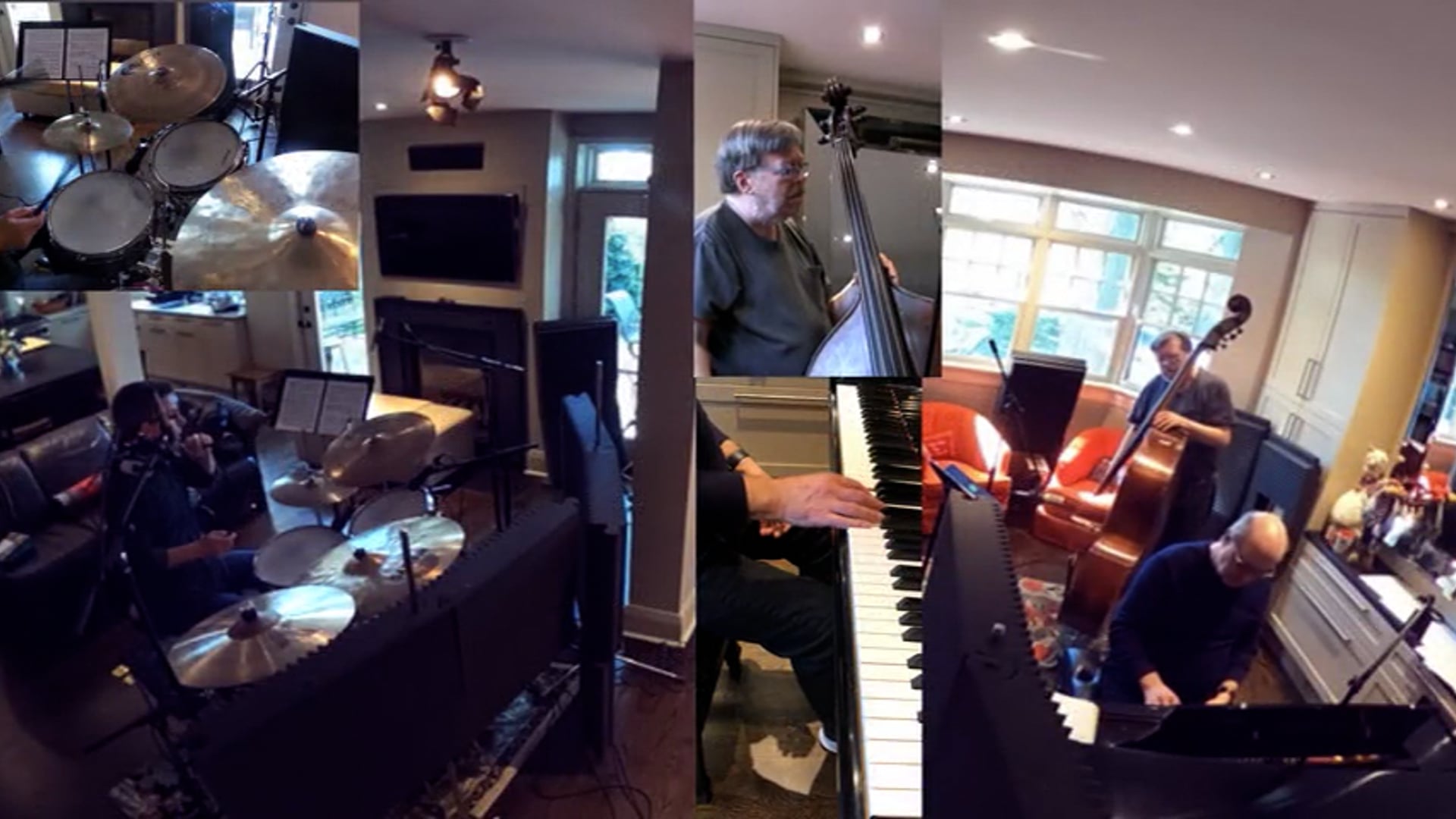
My One And Only Love (Take 2)'My One and Only Love' is a popular song with music written by Guy Wood and lyrics by Robert Mellin. Published in 1953, it is a conventional 32-bar song with four 8-bar sections, including a bridge ('Type A' or 'AABA' song structure). Typically performed as a ballad, it has an aria-like melody that is a challenge to many vocalists; in the key of C, the song's melody extends from G below middle C to the second D above middle C. From Wikipedia.
Slow Boat To China'On A Slow Boat to China' is a popular song by Frank Loesser, published in 1948.
The song is a well-known pop standard, recorded by many artists, including a duet between Rosemary Clooney and Bing Crosby (for their album Fancy Meeting You Here (1958)), Ella Fitzgerald, Joni James, Frank Sinatra, Jimmy Buffett, Fats Domino and Liza Minnelli. From Wikipedia.
The song is a well-known pop standard, recorded by many artists, including a duet between Rosemary Clooney and Bing Crosby (for their album Fancy Meeting You Here (1958)), Ella Fitzgerald, Joni James, Frank Sinatra, Jimmy Buffett, Fats Domino and Liza Minnelli. From Wikipedia.
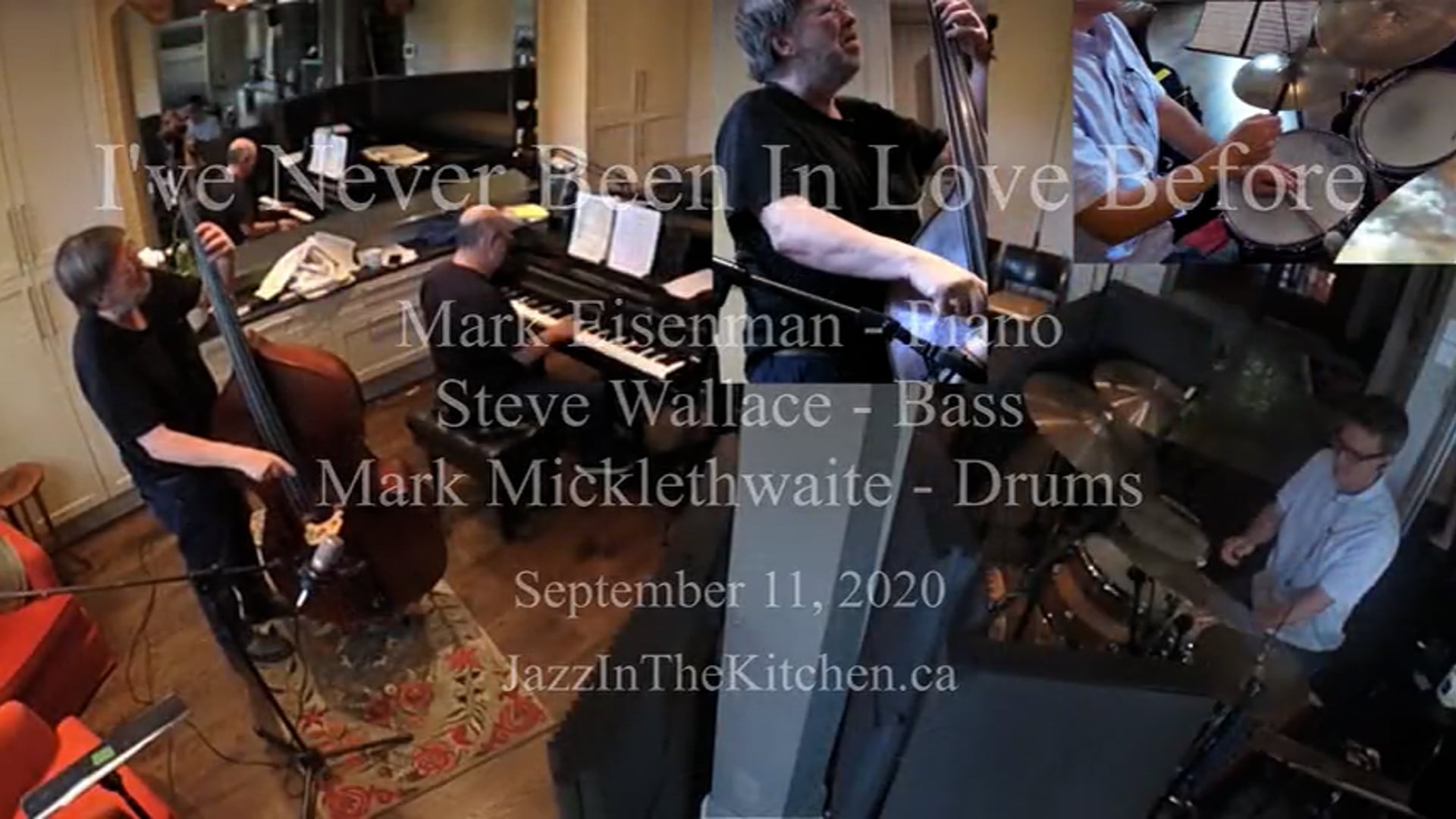
I've Never Been In Love BeforeThe song is a duet from the 1950 musical, Guys and Dolls, and is sung by the characters Sky Masterson and Sister Sarah Brown. In the play it immediately follows the short solo song 'My Time of Day', sung by Sky. Both songs were only used as background music in the 1955 film adaptation of the musical, being replaced by the duet 'A Woman in Love'. From Wikipedia.
Stablemates'Stablemates' is a song by Benny Golson (born January 25, 1929), an American bebop/hard bopjazz tenor saxophonist, composer, and arranger. He came to prominence with the big bands of Lionel Hampton and Dizzy Gillespie, more as a writer than a performer, before launching his solo career. Golson is known for co-founding and co-leading The Jazztet with trumpeter Art Farmer in 1959. From the late 1960s through the 1970s Golson was in demand as an arranger for film and television and thus was less active as a performer, but he and Farmer reformed the Jazztet in 1982. From Wikipedia.
You Don't Know What Love Is'You Don't Know What Love Is' is a popular song of the Great American Songbook, written by Don Raye (lyrics) and Gene de Paul (music) for the Abbott and Costello picture Keep 'Em Flying (1941), in which it was sung by Carol Bruce. The number was deleted from the film prior to release. The song was later included in Behind the Eight Ball (1942), starring the Ritz Brothers. 'You Don't Know What Love Is' was again sung by Carol Bruce; it was her third and final film until the 1980s. From Wikipedia.
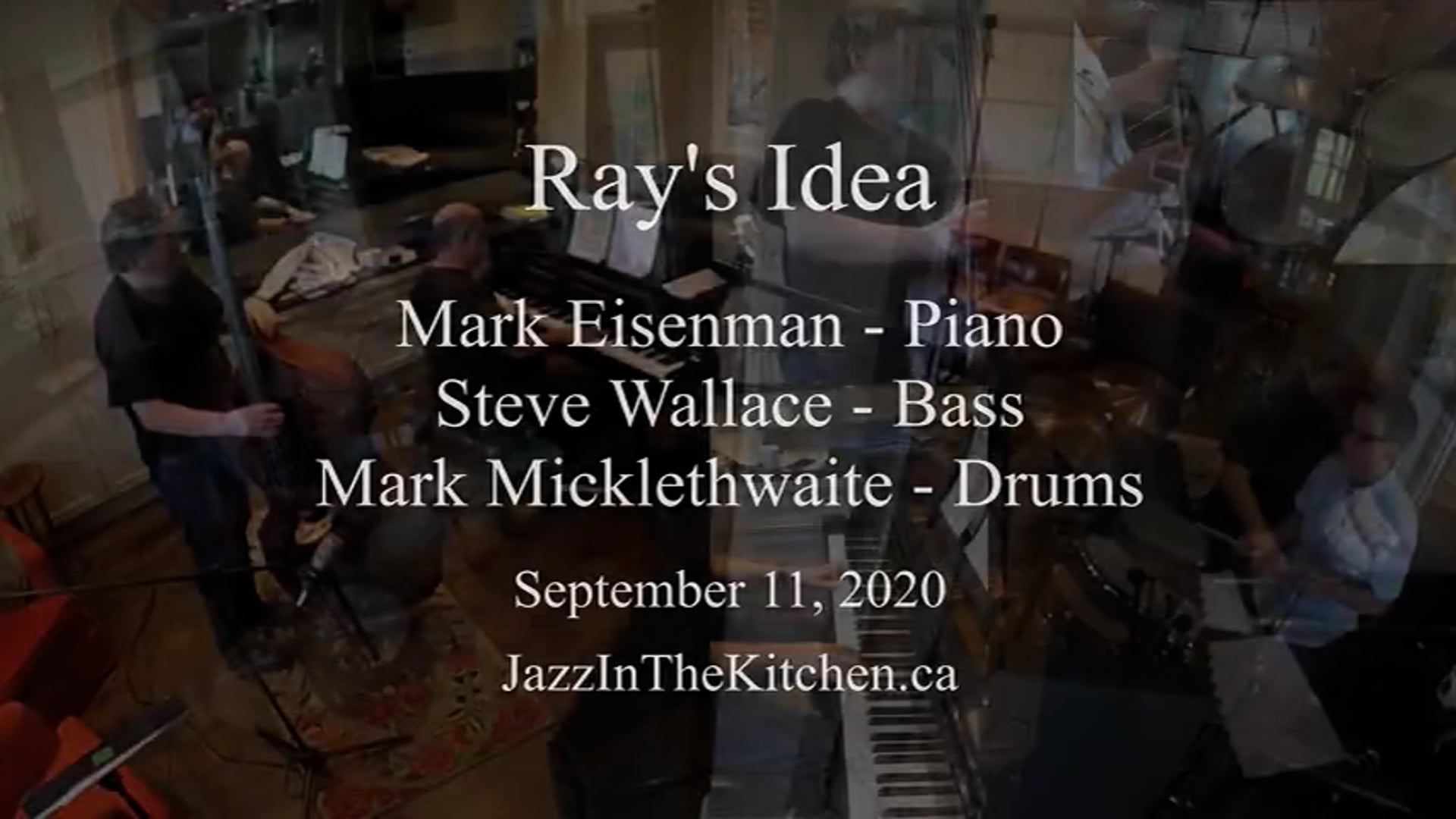
Stella By Starlight'Stella by Starlight' is a popular song by Victor Young that was drawn from thematic material composed for the main title and soundtrack of the 1944 Paramount Pictures film, The Uninvited. Appearing in the film's underscore as well as in source music as an instrumental theme song without lyrics, it was turned over to Ned Washington, who wrote the lyrics for it in 1946. The title had to be incorporated into the lyrics, which resulted in its unusual placement: the phrase appears about three quarters of the way through the song, rather than at the beginning or the end. From Wikipedia.
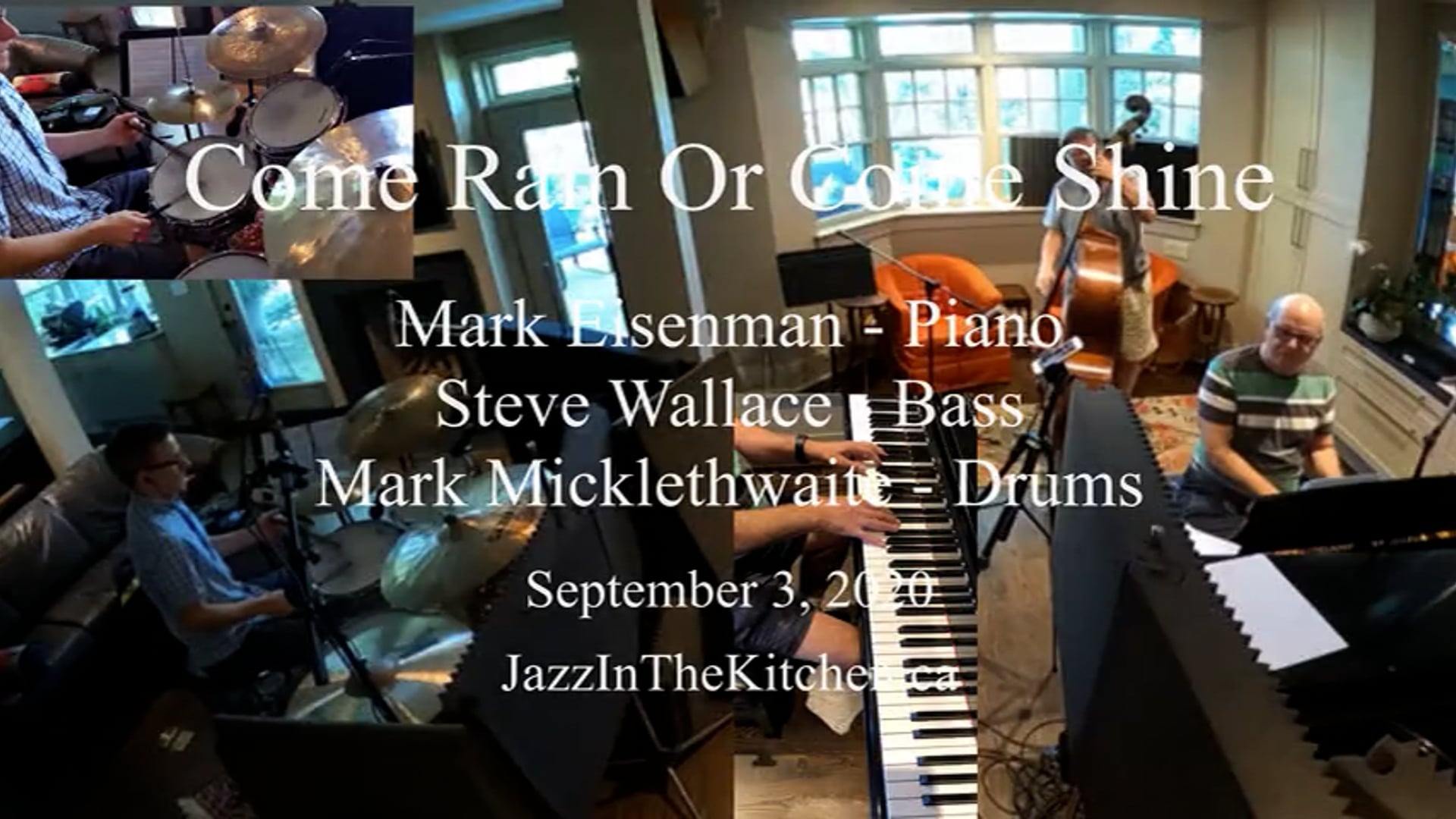
I Didn't Know What Time It Was'I Didn't Know What Time It Was' is a popular song composed by Richard Rodgers with lyrics by Lorenz Hart for the 1939 musical Too Many Girls. Introduced by Richard Kollmar and Marcy Westcott in the stage musical, early hit versions were recorded by Benny Goodman and Artie Shaw. It was then performed by Trudy Erwin (dubbing for Lucille Ball) in the 1940 film adaptation produced by RKO. From Wikipedia.
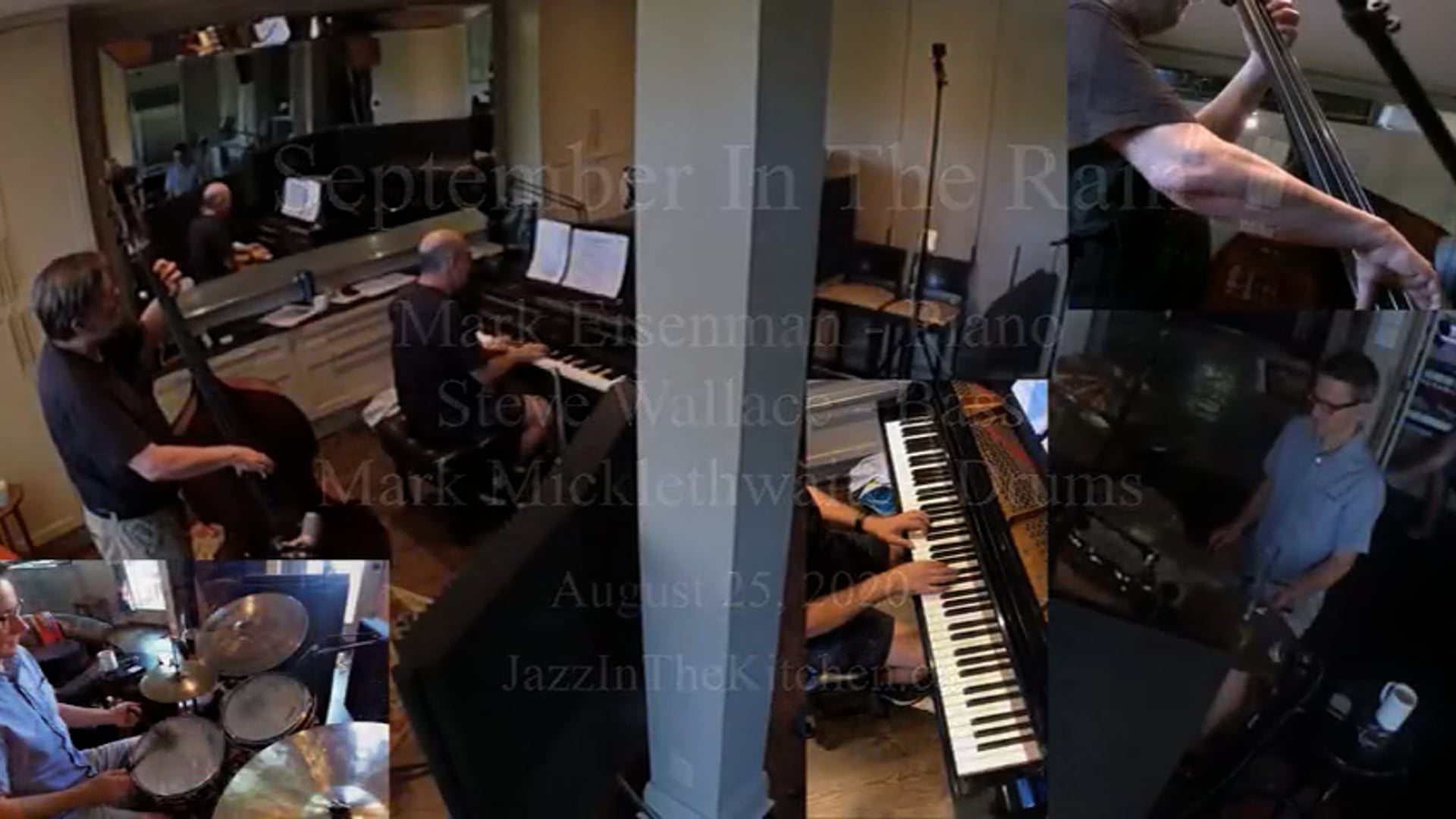
September In The Rain'September in the Rain' is a popular song about nostalgia written by Harry Warren and Al Dubin, and published in 1937. The song was introduced by James Melton in the film Melody for Two. It has become a standard, having been recorded by many artists since.
In 1937, three recordings of the song appeared in the record chart: Guy Lombardo, James Melton, and the Rhythm Wreckers (vocal by Pauline Byrns). The song became popular again in 1948 and 1949 when versions by Sam Donahue and the George Shearing Quintet briefly reached the charts. From Wikipedia.
In 1937, three recordings of the song appeared in the record chart: Guy Lombardo, James Melton, and the Rhythm Wreckers (vocal by Pauline Byrns). The song became popular again in 1948 and 1949 when versions by Sam Donahue and the George Shearing Quintet briefly reached the charts. From Wikipedia.
What Is This Thing Called Love'What Is This Thing Called Love?' is a 1929 popularsong written by Cole Porter, for the musical Wake Up and Dream. It was first performed by Elsie Carlisle in March 1929. The song has become a popular jazz standard and one of Porter's most often played compositions. From Wikipedia.
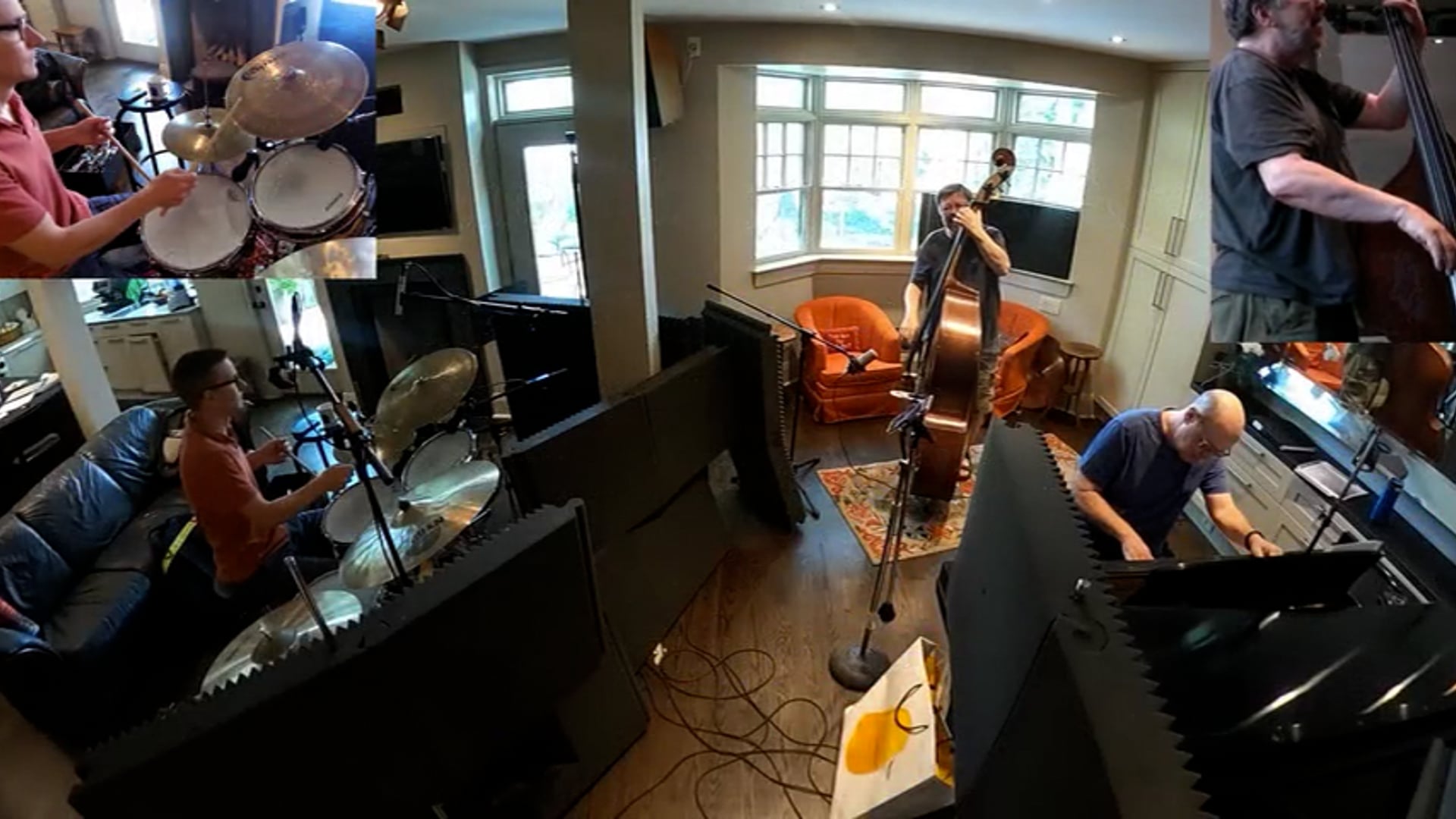
All The Things You AreThe song was written for the musical Very Warm for May (1939) and was introduced by Hiram Sherman, Frances Mercer, Hollace Shaw, and Ralph Stuart. It appeared in the film Broadway Rhythm (1944), and again in the Kern biopic Till the Clouds Roll By (1946), sung by Tony Martin.
Because of its combination of a strong melody and challenging but logical chord structure, 'All the Things You Are' has become a popular jazz standard. Its changes have been used for such contrafact tunes as 'Bird of Paradise' by Charlie Parker, 'Prince Albert' by Kenny Dorham, and 'Boston Bernie' by Dexter Gordon. 'Thingin'' by Lee Konitz introduced a further harmonic twist by transposing the chords of the second half of the tune by a tritone. From Wikipedia.
Because of its combination of a strong melody and challenging but logical chord structure, 'All the Things You Are' has become a popular jazz standard. Its changes have been used for such contrafact tunes as 'Bird of Paradise' by Charlie Parker, 'Prince Albert' by Kenny Dorham, and 'Boston Bernie' by Dexter Gordon. 'Thingin'' by Lee Konitz introduced a further harmonic twist by transposing the chords of the second half of the tune by a tritone. From Wikipedia.
Nobody Else But Me'Nobody Else But Me', sometimes called 'Nobody Else But You', is a 1946 song composed by Jerome Kern with lyrics by Oscar Hammerstein II for the 1946 Broadway revival of the musical Showboat when it was introduced by Jan Clayton as the character 'Magnolia'. This was the last song written by Kern; he died shortly before the 1946 production opened. From Wikipedia.
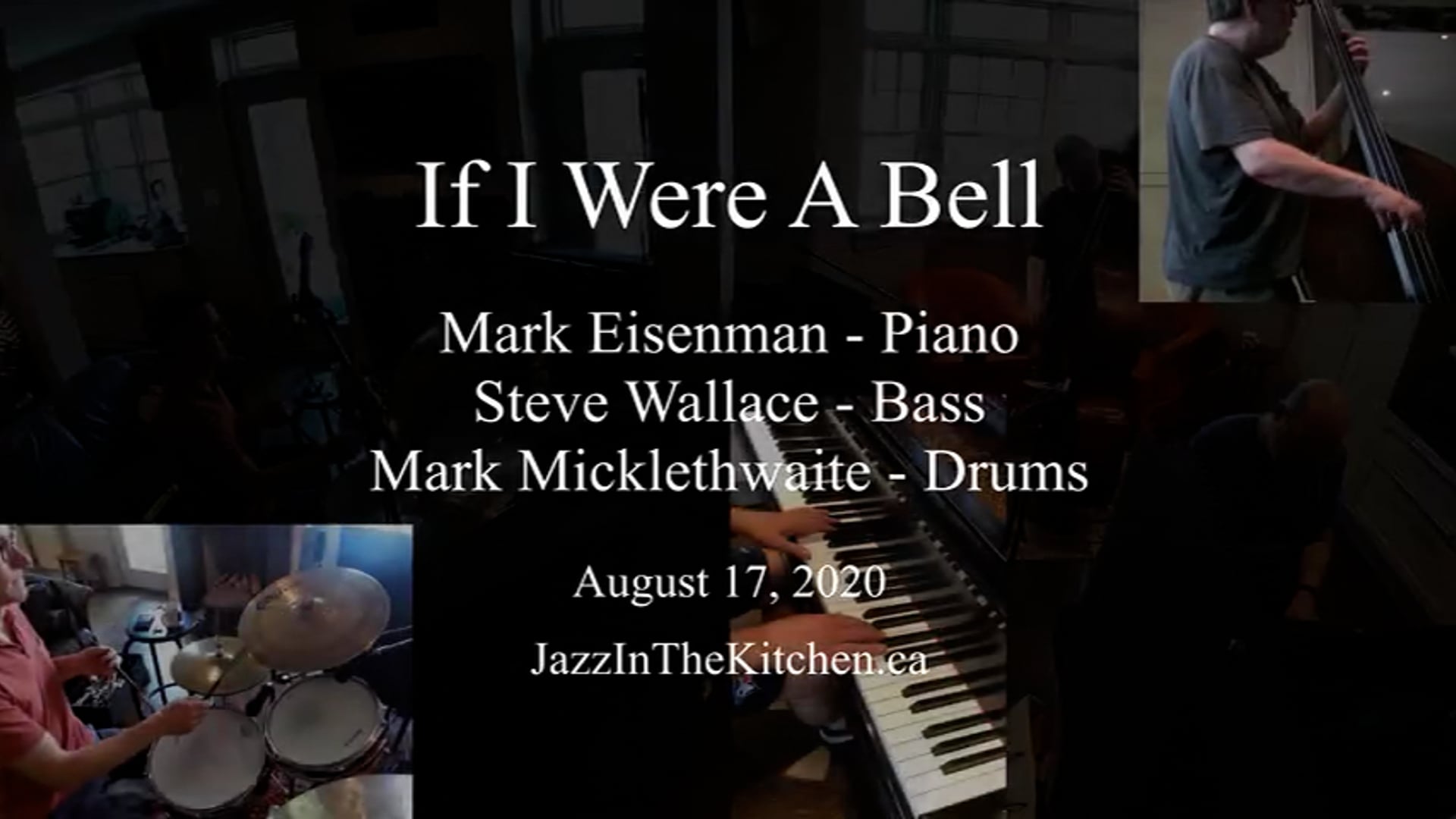
If I Were A BellIn the show Guys and Dolls, If I Were A Bell is sung by the character Sister Sarah, originally performed by Isabel Bigley on Broadway, and memorialized on the original cast album. On a bet, Sky Masterson takes Sarah Brown to Havana to have dinner and gets her very drunk. Sarah's stiff social barriers fall away and she realizes she is in love with Sky, and he with her. She sings this after they have an eventful dinner but Sky refuses to take advantage of her drunkenness. It was also recorded by Lizbeth Webb who created the part in the original London production in 1953 at the London Coliseum.
It has become a jazz standard since it was featured by trumpeter Miles Davis, on the 1956 Prestige album Relaxin' with The Miles Davis Quintet. The Miles Davis Quintet featured tenor saxophone player John Coltrane, pianist Red Garland, bassist Paul Chambers, and drummer Philly Joe Jones. The song became a Miles Davis specialty and it appears on several live session recordings and compilations in different versions. The tune was taken up and performed by countless jazz musicians and is still a favorite in jam sessions. So closely is the tune associated with Miles Davis that it is often miscredited as one of his own original compositions. From Wikipedia.
It has become a jazz standard since it was featured by trumpeter Miles Davis, on the 1956 Prestige album Relaxin' with The Miles Davis Quintet. The Miles Davis Quintet featured tenor saxophone player John Coltrane, pianist Red Garland, bassist Paul Chambers, and drummer Philly Joe Jones. The song became a Miles Davis specialty and it appears on several live session recordings and compilations in different versions. The tune was taken up and performed by countless jazz musicians and is still a favorite in jam sessions. So closely is the tune associated with Miles Davis that it is often miscredited as one of his own original compositions. From Wikipedia.
Billie's Bounce'Billie's Bounce' (also known as 'Bill's Bounce') is a jazz composition written in 1945 by Charlie Parker in the form of a 12 bar F blues. It was dedicated to Billy Shaw's admin Billie. The original recording by Charlie Parker and His Re-Boppers was inducted into the Grammy Hall of Fame in 2002. Copyright 1945 by Atlantic Music Corp. Copyright renewed and assigned 1973 to Atlantic Music Corp.
Originally an instrumental, lyrics were added later by Jon Hendricks and by Eddie Jefferson. From Wikipedia.
Originally an instrumental, lyrics were added later by Jon Hendricks and by Eddie Jefferson. From Wikipedia.
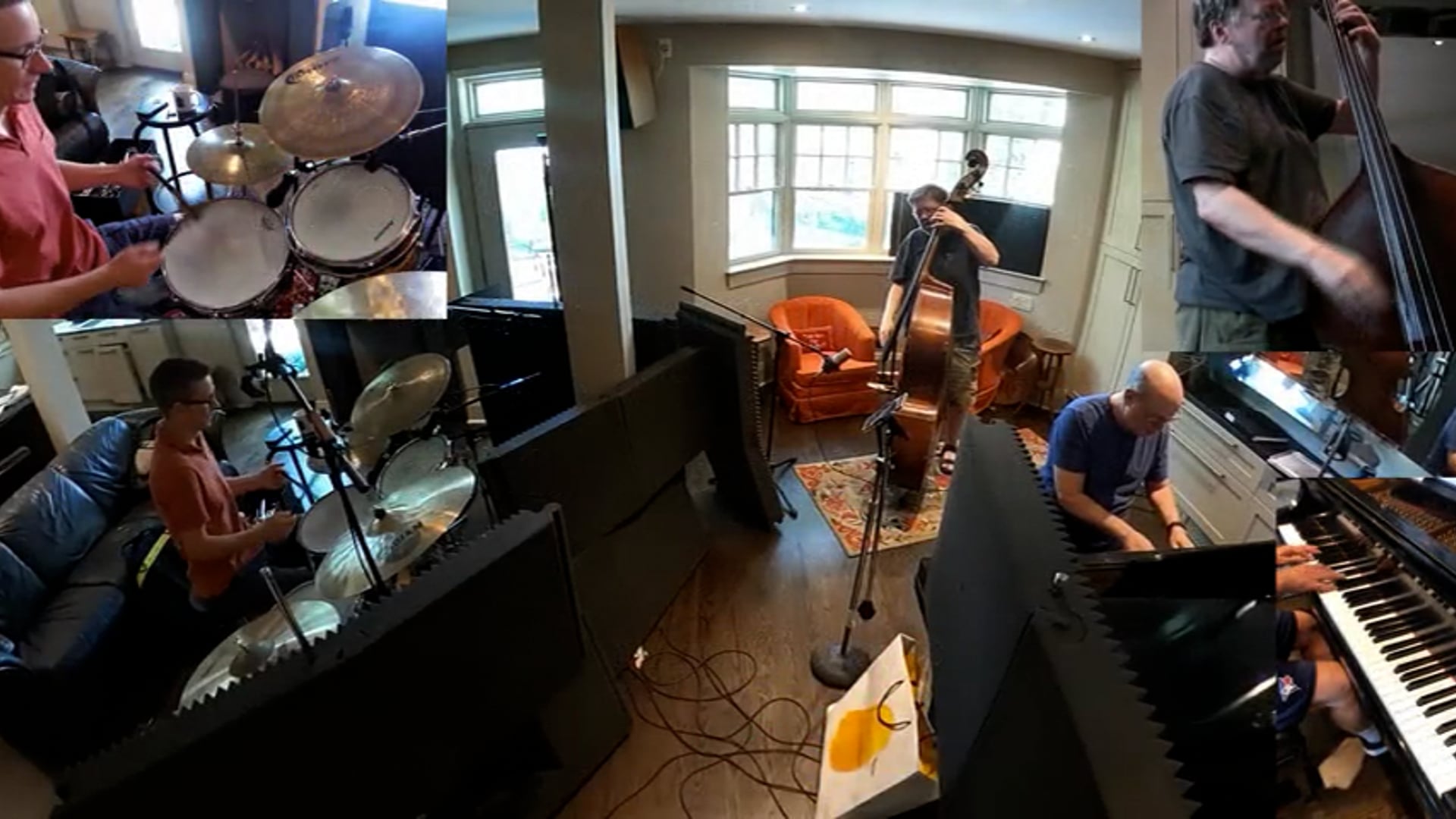
If You Could See Me Now'If You Could See Me Now' is a 1946 jazz standard, composed by Tadd Dameron. He wrote it especially for vocalist Sarah Vaughan, a frequent collaborator. Lyrics were written by Carl Sigman and it became one of her signature songs, inducted into the Grammy Hall of Fame in 1998. From Wikipedia.
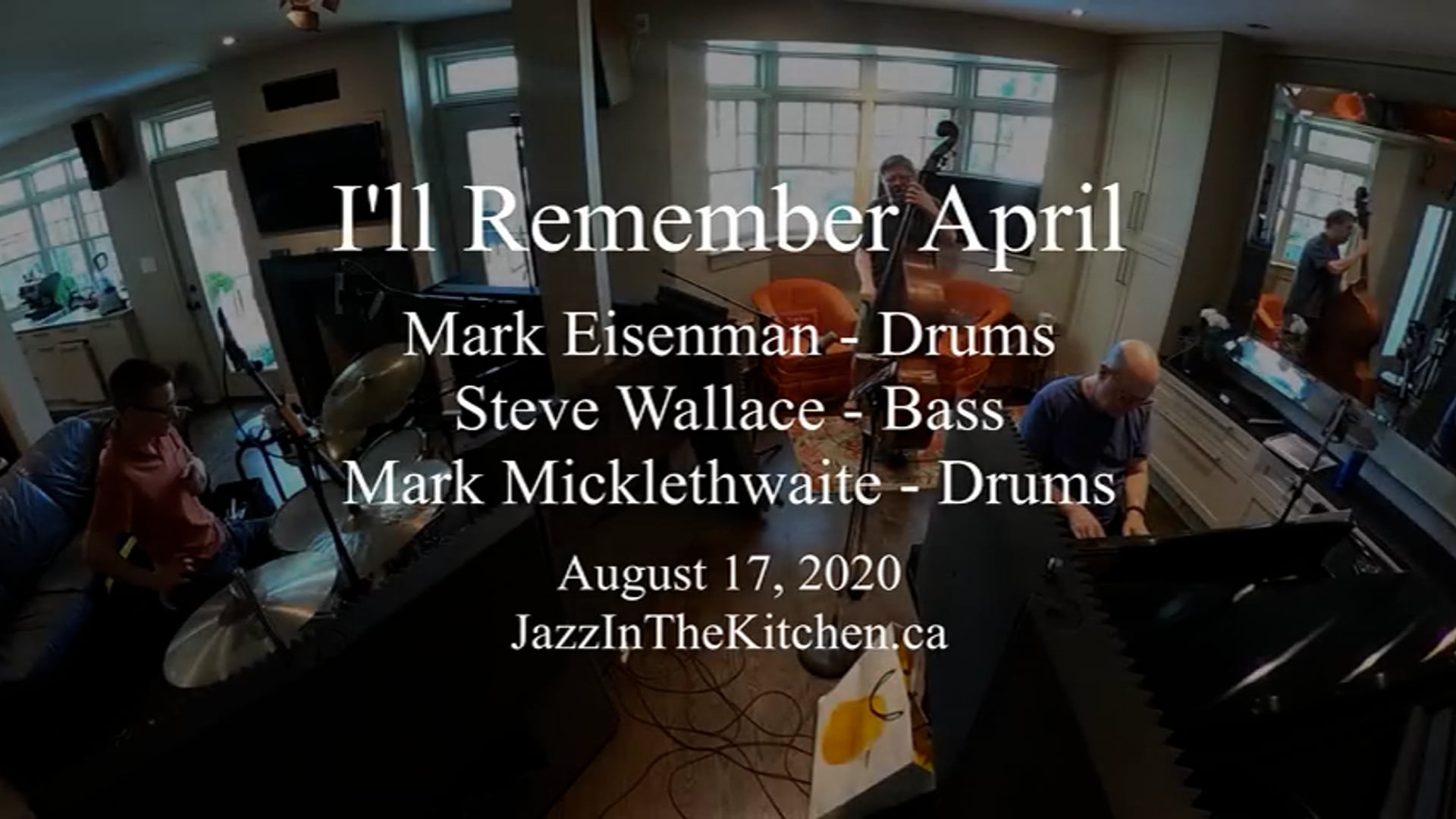
I'll Remember April'I'll Remember April' is a popular song and jazz standard about a romantic relationship ending. The lyric uses the seasons of the year metaphorically to illustrate the growth and death of a romance. The lyric also uses the ideas of the hours in a day and the flames of a fire to illustrate a relationship growing stronger and subsequently losing strength. The song has been described as a song that makes use of nostalgia, with music written by Gene de Paul, and lyrics by Patricia Johnston and Don Raye. It made its debut in the 1942 Abbott and Costello comedy Ride 'Em Cowboy, being sung by Dick Foran. From Wikipedia.
In Your Own Sweet Way'In Your Own Sweet Way' is a 1955 jazz standard, and one of the most famous compositions by Dave Brubeck. It was written around 1952, but its copyright notice was dated 1955. Brubeck's wife Iola, for whom the song was written, later wrote a lyric for the song, which led to singers such as Carmen McRae recording it. Although an earlier live recording is known, 'In Your Own Sweet Way' was first released on Brubeck's 1956 studio album Brubeck Plays Brubeck. From Wikipedia.
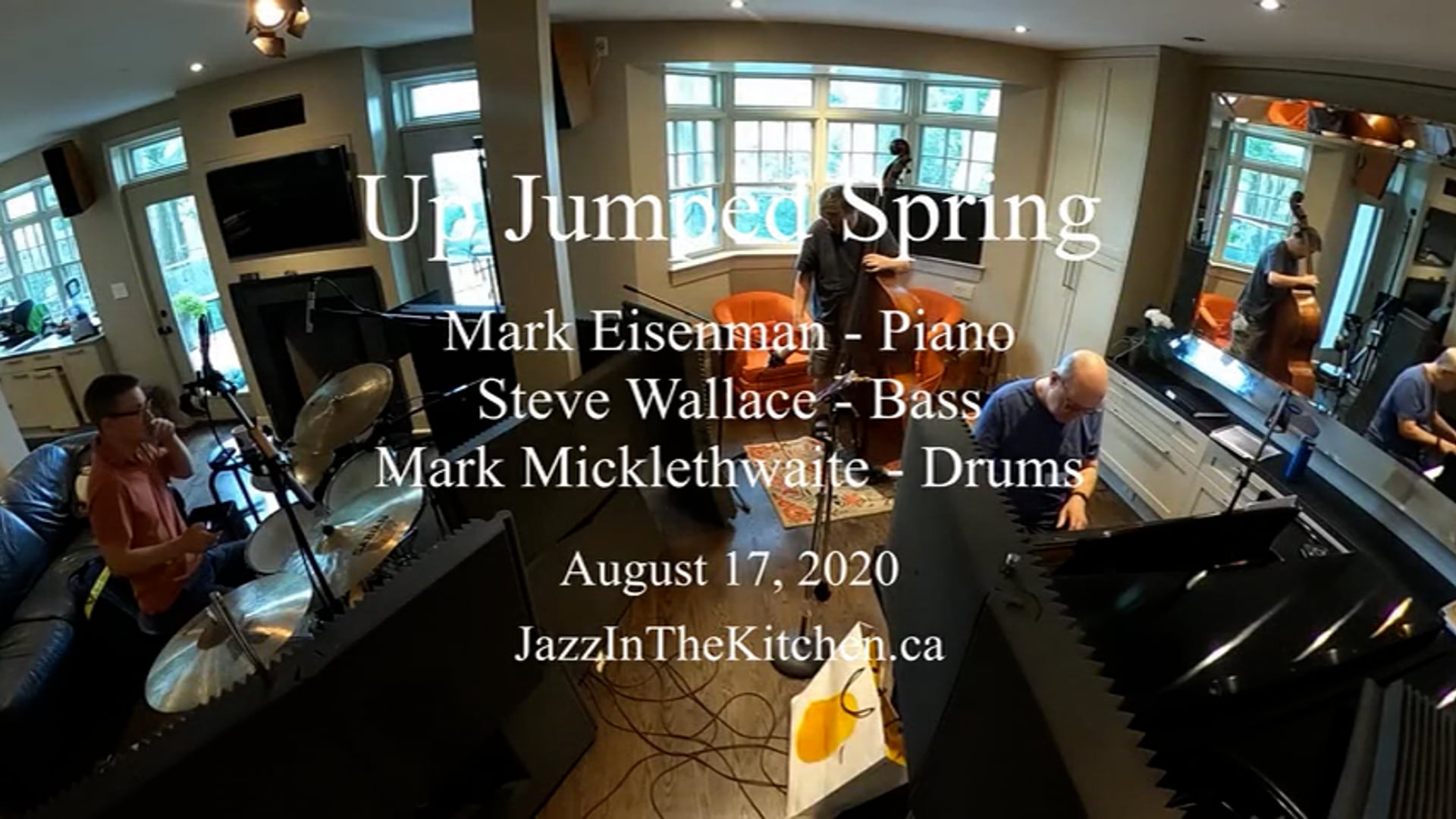
Up Jumped Spring'Up Jumped Spring' is a 1962 composition by trumpeter/composer Freddie Hubbard. It’s written in a traditional AABA form, except that the ‘A’ sections have 16 measures each while the bridge is half that length, with only 8 measures. It’s a fun tune to play and can bring some variety to your repertoire if you find you’ve been playing the same tunes over and over. Tunes like Up Jumped Spring remind us how much the 'modern' jazz players were informed by the past. This is especially true of the 1960s generation of jazz greats, since many of them developed musically during the Hard Bop period of the late 1950s. We can see this with musicians such as Herbie Hancock, Wayne Shorter, and the composer of this tune, trumpeter Freddie Hubbard. From Keyboarding Improv.
All The Things You AreThe song was written for the musical Very Warm for May (1939) and was introduced by Hiram Sherman, Frances Mercer, Hollace Shaw, and Ralph Stuart. It appeared in the film Broadway Rhythm (1944), and again in the Kern biopic Till the Clouds Roll By (1946), sung by Tony Martin.
Because of its combination of a strong melody and challenging but logical chord structure, 'All the Things You Are' has become a popular jazz standard. Its changes have been used for such contrafact tunes as 'Bird of Paradise' by Charlie Parker, 'Prince Albert' by Kenny Dorham, and 'Boston Bernie' by Dexter Gordon. 'Thingin'' by Lee Konitz introduced a further harmonic twist by transposing the chords of the second half of the tune by a tritone. From Wikipedia.
Because of its combination of a strong melody and challenging but logical chord structure, 'All the Things You Are' has become a popular jazz standard. Its changes have been used for such contrafact tunes as 'Bird of Paradise' by Charlie Parker, 'Prince Albert' by Kenny Dorham, and 'Boston Bernie' by Dexter Gordon. 'Thingin'' by Lee Konitz introduced a further harmonic twist by transposing the chords of the second half of the tune by a tritone. From Wikipedia.
Nobody Else But Me'Nobody Else But Me', sometimes called 'Nobody Else But You', is a 1946 song composed by Jerome Kern with lyrics by Oscar Hammerstein II for the 1946 Broadway revival of the musical Showboat when it was introduced by Jan Clayton as the character 'Magnolia'. This was the last song written by Kern; he died shortly before the 1946 production opened. From Wikipedia.
If I Were A BellIn the show Guys and Dolls, If I Were A Bell is sung by the character Sister Sarah, originally performed by Isabel Bigley on Broadway, and memorialized on the original cast album. On a bet, Sky Masterson takes Sarah Brown to Havana to have dinner and gets her very drunk. Sarah's stiff social barriers fall away and she realizes she is in love with Sky, and he with her. She sings this after they have an eventful dinner but Sky refuses to take advantage of her drunkenness. It was also recorded by Lizbeth Webb who created the part in the original London production in 1953 at the London Coliseum.
It has become a jazz standard since it was featured by trumpeter Miles Davis, on the 1956 Prestige album Relaxin' with The Miles Davis Quintet. The Miles Davis Quintet featured tenor saxophone player John Coltrane, pianist Red Garland, bassist Paul Chambers, and drummer Philly Joe Jones. The song became a Miles Davis specialty and it appears on several live session recordings and compilations in different versions. The tune was taken up and performed by countless jazz musicians and is still a favorite in jam sessions. So closely is the tune associated with Miles Davis that it is often miscredited as one of his own original compositions. From Wikipedia.
It has become a jazz standard since it was featured by trumpeter Miles Davis, on the 1956 Prestige album Relaxin' with The Miles Davis Quintet. The Miles Davis Quintet featured tenor saxophone player John Coltrane, pianist Red Garland, bassist Paul Chambers, and drummer Philly Joe Jones. The song became a Miles Davis specialty and it appears on several live session recordings and compilations in different versions. The tune was taken up and performed by countless jazz musicians and is still a favorite in jam sessions. So closely is the tune associated with Miles Davis that it is often miscredited as one of his own original compositions. From Wikipedia.
Billie's Bounce'Billie's Bounce' (also known as 'Bill's Bounce') is a jazz composition written in 1945 by Charlie Parker in the form of a 12 bar F blues. It was dedicated to Billy Shaw's admin Billie. The original recording by Charlie Parker and His Re-Boppers was inducted into the Grammy Hall of Fame in 2002. Copyright 1945 by Atlantic Music Corp. Copyright renewed and assigned 1973 to Atlantic Music Corp.
Originally an instrumental, lyrics were added later by Jon Hendricks and by Eddie Jefferson. From Wikipedia.
Originally an instrumental, lyrics were added later by Jon Hendricks and by Eddie Jefferson. From Wikipedia.
If You Could See Me Now'If You Could See Me Now' is a 1946 jazz standard, composed by Tadd Dameron. He wrote it especially for vocalist Sarah Vaughan, a frequent collaborator. Lyrics were written by Carl Sigman and it became one of her signature songs, inducted into the Grammy Hall of Fame in 1998. From Wikipedia.
I'll Remember April'I'll Remember April' is a popular song and jazz standard about a romantic relationship ending. The lyric uses the seasons of the year metaphorically to illustrate the growth and death of a romance. The lyric also uses the ideas of the hours in a day and the flames of a fire to illustrate a relationship growing stronger and subsequently losing strength. The song has been described as a song that makes use of nostalgia, with music written by Gene de Paul, and lyrics by Patricia Johnston and Don Raye. It made its debut in the 1942 Abbott and Costello comedy Ride 'Em Cowboy, being sung by Dick Foran. From Wikipedia.
In Your Own Sweet Way'In Your Own Sweet Way' is a 1955 jazz standard, and one of the most famous compositions by Dave Brubeck. It was written around 1952, but its copyright notice was dated 1955. Brubeck's wife Iola, for whom the song was written, later wrote a lyric for the song, which led to singers such as Carmen McRae recording it. Although an earlier live recording is known, 'In Your Own Sweet Way' was first released on Brubeck's 1956 studio album Brubeck Plays Brubeck. From Wikipedia.
Up Jumped Spring'Up Jumped Spring' is a 1962 composition by trumpeter/composer Freddie Hubbard. It’s written in a traditional AABA form, except that the ‘A’ sections have 16 measures each while the bridge is half that length, with only 8 measures. It’s a fun tune to play and can bring some variety to your repertoire if you find you’ve been playing the same tunes over and over. Tunes like Up Jumped Spring remind us how much the 'modern' jazz players were informed by the past. This is especially true of the 1960s generation of jazz greats, since many of them developed musically during the Hard Bop period of the late 1950s. We can see this with musicians such as Herbie Hancock, Wayne Shorter, and the composer of this tune, trumpeter Freddie Hubbard. From Keyboarding Improv.
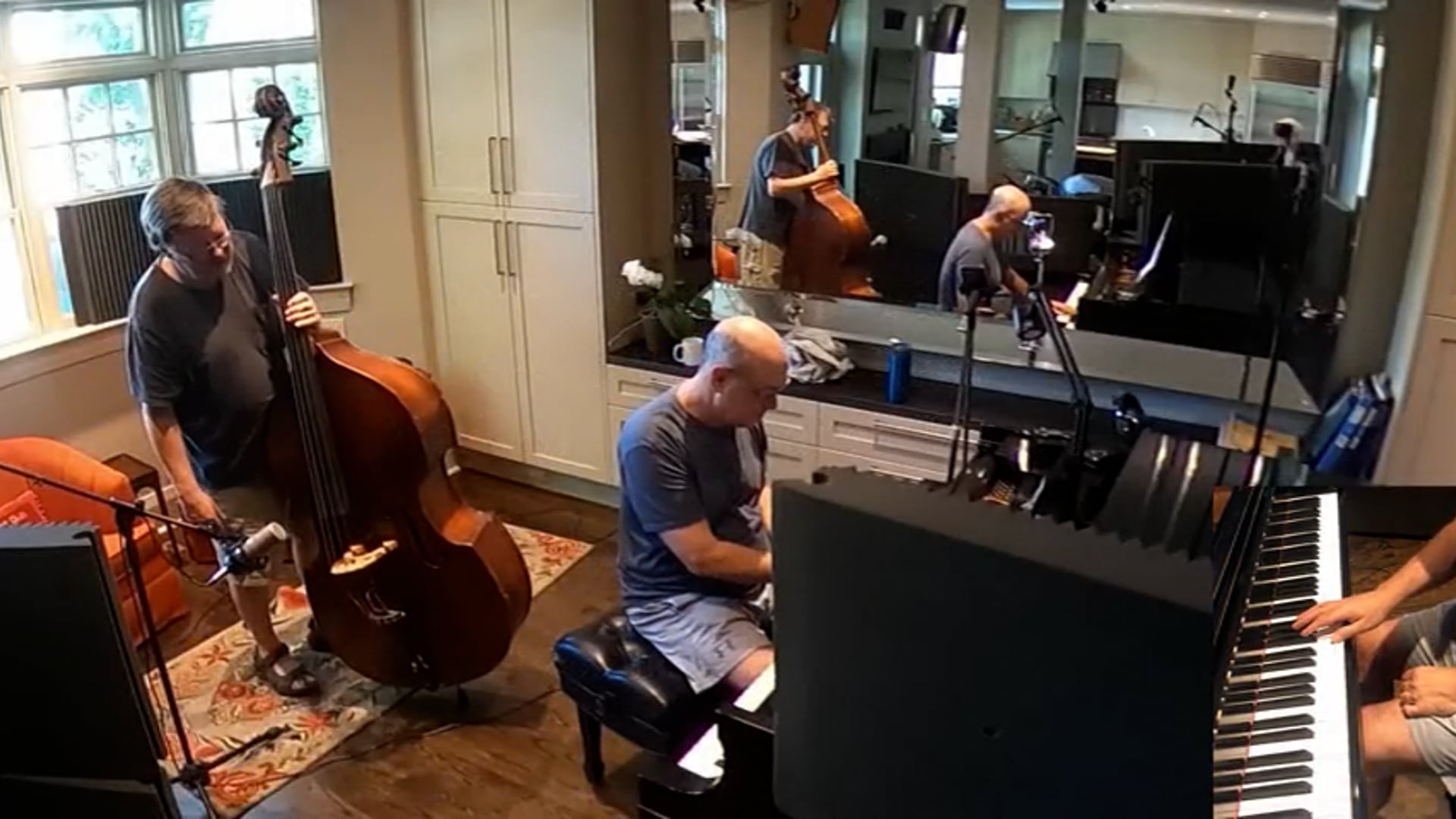
Body And Soul'Body and Soul' was written in New York City for the British actress and singer Gertrude Lawrence, who introduced it to London audiences. Published in England, it was first performed in the United States by Libby Holman in the 1930 Broadway revue Three's a Crowd. In Britain the orchestras of Jack Hylton and Ambrose recorded the ballad first in the same week in February 1930. In the United States, the tune grew quickly in popularity, and by the end of 1930 at least 11 American bands had recorded it. Louis Armstrong was the first jazz musician to record 'Body and Soul', in October 1930, but it was Paul Whiteman and Jack Fulton who popularized it in United States. From Wikipedia.
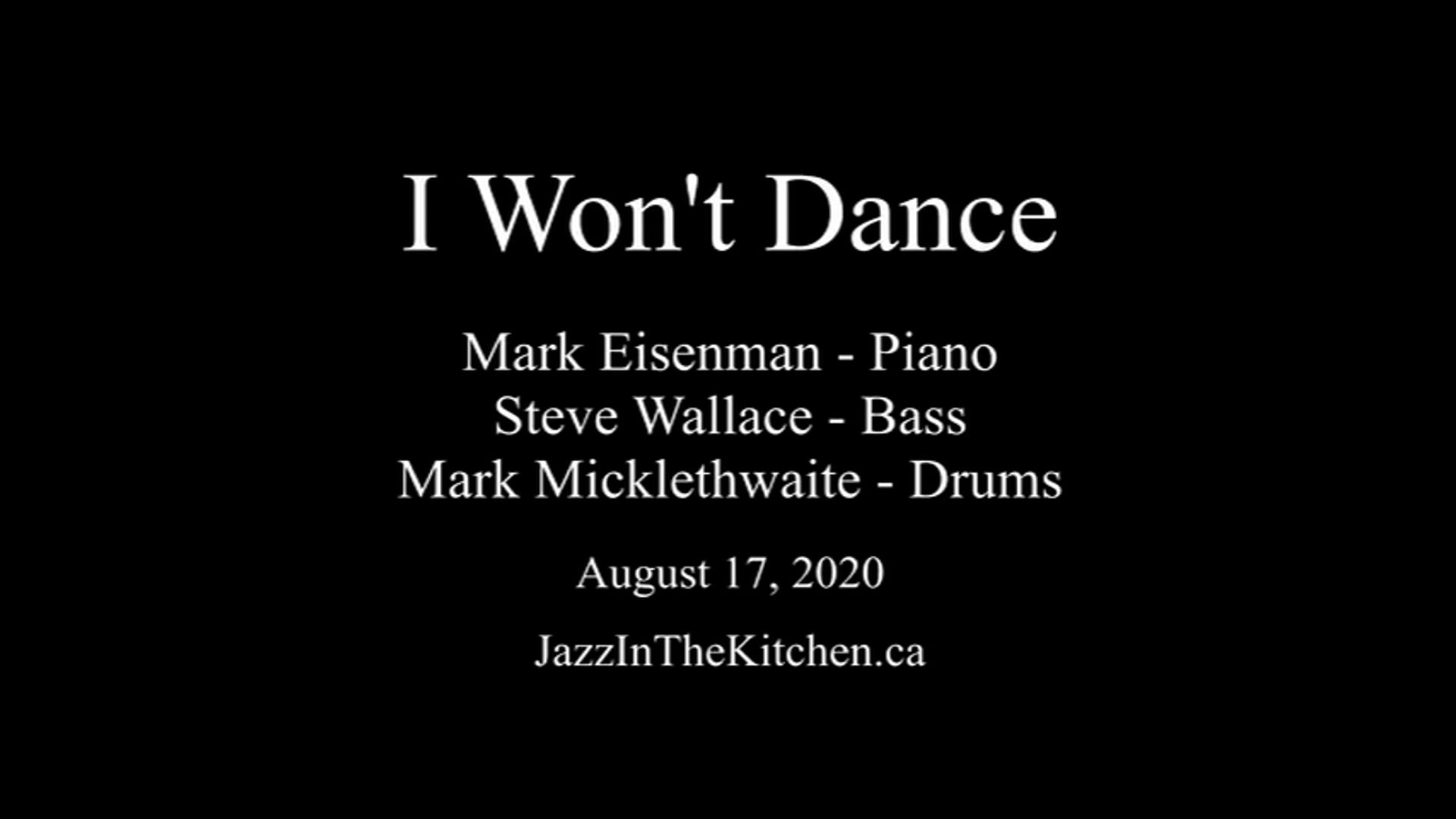
I Won't Dance'I Won't Dance' is a jazz standard song with music by Jerome Kern, that has had two different sets of lyrics, the first written by Oscar Hammerstein II and Otto Harbach in 1934, the second written by Dorothy Fields (though Jimmy McHugh was also credited) in 1935. The two sets of lyrics share little but the common refrain of 'I won't dance'. The second set of lyrics is the much better known one, and the song in this form has been covered by many artists. From Wikipedia.
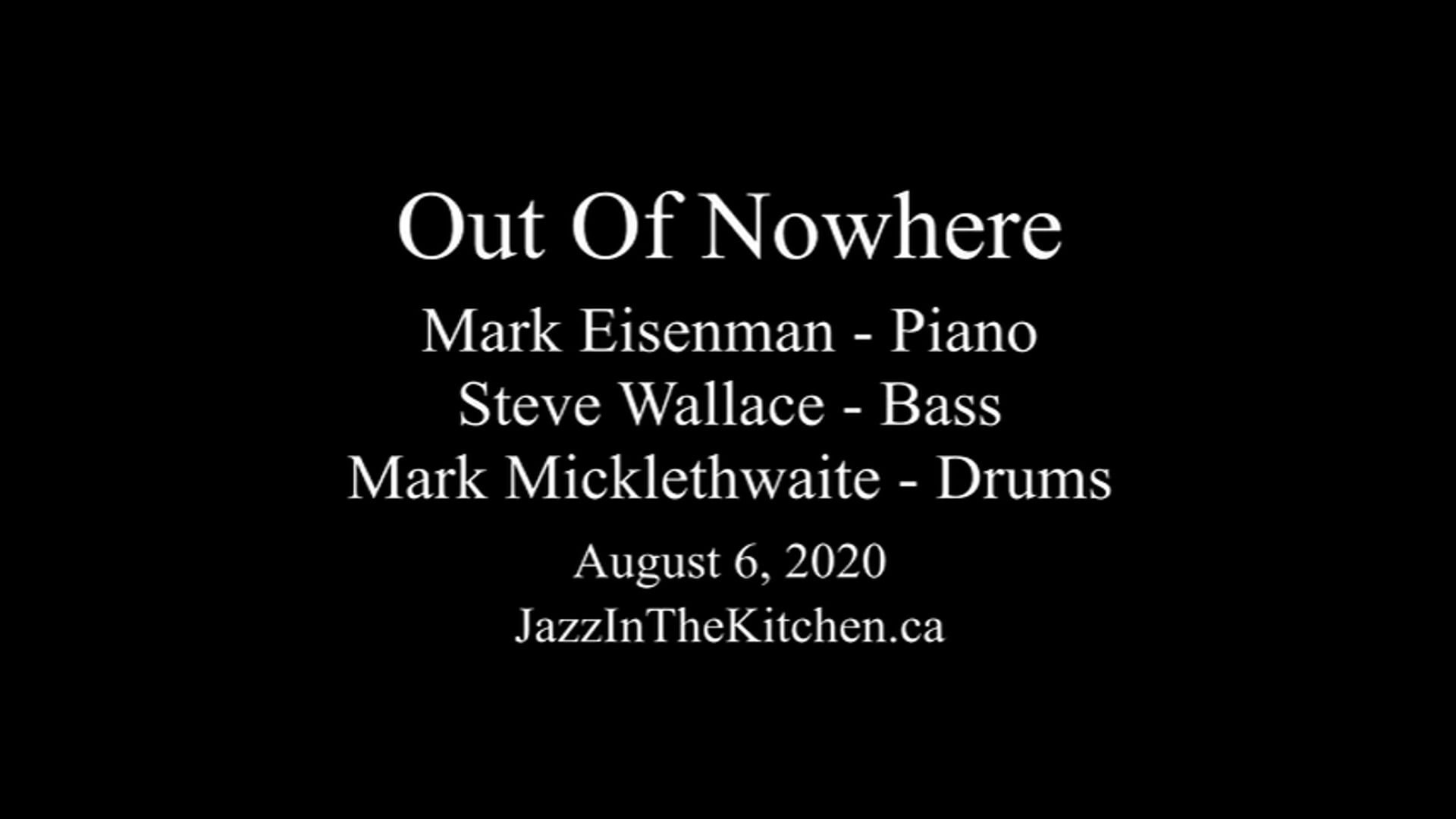
Out Of Nowhere'Out of Nowhere' is a popular song composed by Johnny Green with lyrics by Edward Heyman and published by Famous Music. It was popularized by Bing Crosby, and was the first recording under his Brunswick Records contract. He recorded it on March 30, 1931 and it became his first number one hit as a solo artist. Crosby also sang it in the film Confessions of a Co-Ed (1931) and in his short film I Surrender Dear (1931). He recorded it again in 1954 for his album Bing: A Musical Autobiography.
Other 1931 recordings were by Leo Reisman and his Orchestra (vocal by Frank Munn) which reached No. 6 in the charts of the day, Smith Ballew and his Orchestra, Ruth Etting, and Roy Fox and His band (vocal: Al Bowlly) recorded July 31, 1931. (Al Bowlly Discography).
The song's harmonic progression has been used in several later songs, such as Alexander Courage's 'Theme from Star Trek', Tadd Dameron's 'Casbah', Fats Navarro's 'Nostalgia', Gigi Gryce's 'Sans Souci', and Lennie Tristano's '317 East 32nd Street.' From Wikipedia.
Other 1931 recordings were by Leo Reisman and his Orchestra (vocal by Frank Munn) which reached No. 6 in the charts of the day, Smith Ballew and his Orchestra, Ruth Etting, and Roy Fox and His band (vocal: Al Bowlly) recorded July 31, 1931. (Al Bowlly Discography).
The song's harmonic progression has been used in several later songs, such as Alexander Courage's 'Theme from Star Trek', Tadd Dameron's 'Casbah', Fats Navarro's 'Nostalgia', Gigi Gryce's 'Sans Souci', and Lennie Tristano's '317 East 32nd Street.' From Wikipedia.
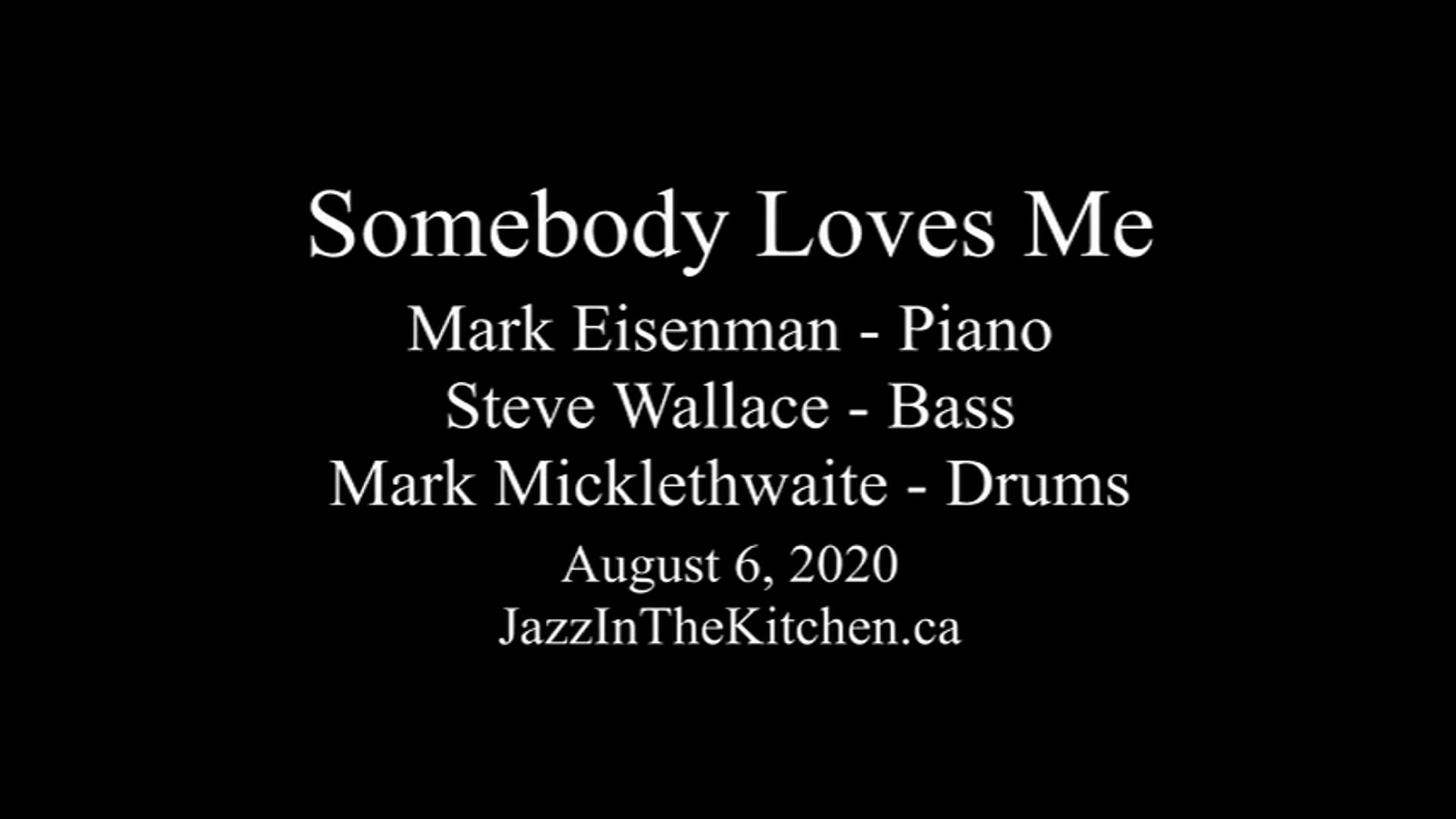
Cherokee'Cherokee' has been recorded over the years by many jazz musicians and singers. Charlie Barnet and His Orchestra's 1939 version reached No. 15 on the pop charts, he later re-recorded it in Hi Fi stereo for Everest Records in 1958. It was later recorded by Charlie Parker, the Count Basie Orchestra, Duke Ellington, Sarah Vaughan (1955), Dakota Staton (1958), Art Tatum and Keely Smith. The song has also been covered as an instrumental by Bud Powell (1950), Clifford Brown, Don Byas, Stan Getz, Lionel Hampton, Harry James, Christian McBride, Chet Atkins, Kamasi Washington on his album The Epic (2015), and by Johnny Smith on his album Moonlight in Vermont. From Wikipedia.
GREAT work on the VIDEOS JOHN!!!
Thanks Mark! I wish we had a video with John Sumner in it. If we find one we’ll post it.
This is great, thank you. A few close friends (we feel safe with one another) can get together and listen & watch our favourite jazz guys, fondly remembering the ‘Kitchen’ sessions! Sans Patti & John sadly, and the infamous apple cake…
Thanks again for this!
Paula
Hi Paula. I’m printing your comment out for my mom. She lived to bring her cake to Jazz In The Kitchen. Thank you!!!!!
Loved this, Mark! Videography is top notch too! Great stuff guys!
Oh, how I miss that music, that kitchen and those wonderful Loaches!
Thank you so much, Bob. This website would not exist without Patti and my times at your wonderful Tritone Jazz Camps. Those experiences and the people we met changed our lives. https://www.tritonejazz.com/
Brilliant concept. Well executed. What a joy to hear/see you all again. An unexpected treat. Thanks! Keep it coming.
Judith and Peter
Thank you Judith. Many more videos in the works. Working on ‘Up Jumped Spring’ right now. So many songs – so beautifully performed.
AND – thank you for your TIP JAR!!!!!!
Thanks to ALL who keep on listening, it’s great to have an outlet, and the support of so many kind jazz fans.
The band really appreciates it.
Thanks very much Mark!! I am Willa McCaughan’s brother and she and Michael have shared the love for your music with us for years. We live in Calgary, wish we had a jazz radio station out here and sing your praises to all!!
We LOVE Willa and Michael!!! Welcome to the Jazz in the Kitchen family!
September in The Rain is swinging pretty nicely.
Another great Tuesday night of jazz. Thank you. Eva and Dave
Hello John,
Hope you are doing well.
I miss the wonderful JITK events and hope you will do more after the never ending Pandemic is finally gone!
Also, I need your help on finding the recordings from the 37th and 38th performances. They were sent with an email on March 17 2017 (I can’t believe it is that far back). At that time, I transferred the songs to a couple of CD’s and gave one to you and another to Mark Eisenman and intended to record a 3rd CD for myself. Well, I must have forgot, and now I want to hear the music again. Is there any way I could download the music using another method?
Many thanks,
Al Minshull
Hi Al! Thank you for joining in here. One of these days Jazz In The Kitchen will roar back!
I’d completely forgotten about those 2017 recorded concerts. I found the files and sent them to you. I’ll make them available to all of our subscribers. Great to have fresh stuff to post.
Cheers, John
What a super streaming event today. A joy and privilege to see you all again and witness you making fine music on the spot. Technology well done too. YAY jazz is alive and well in the Beach!
Thanks John and Patti, and all good wishes to Steve. Will miss you…until you come back again.
Yours in hope, Judith and Peter.
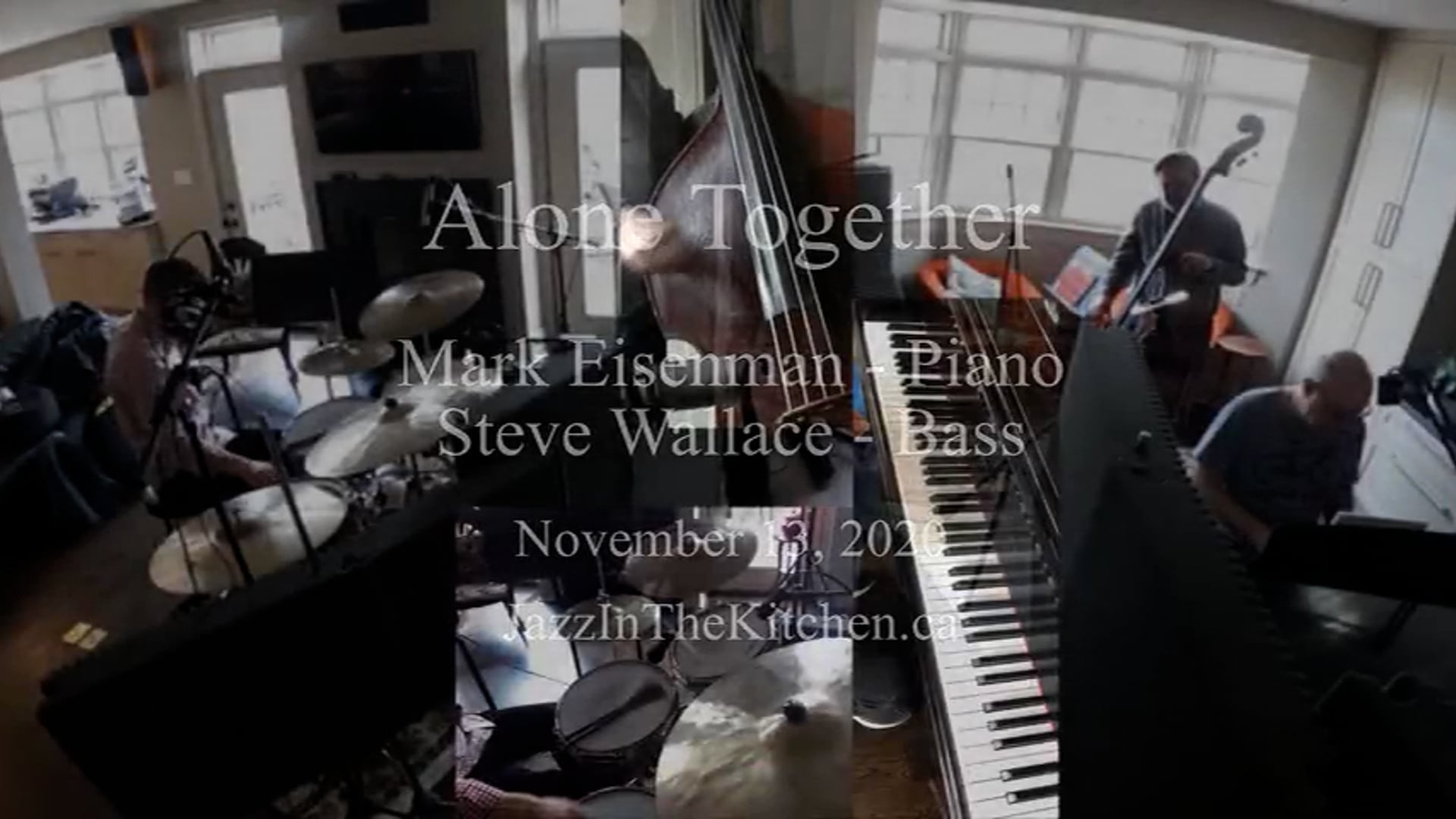
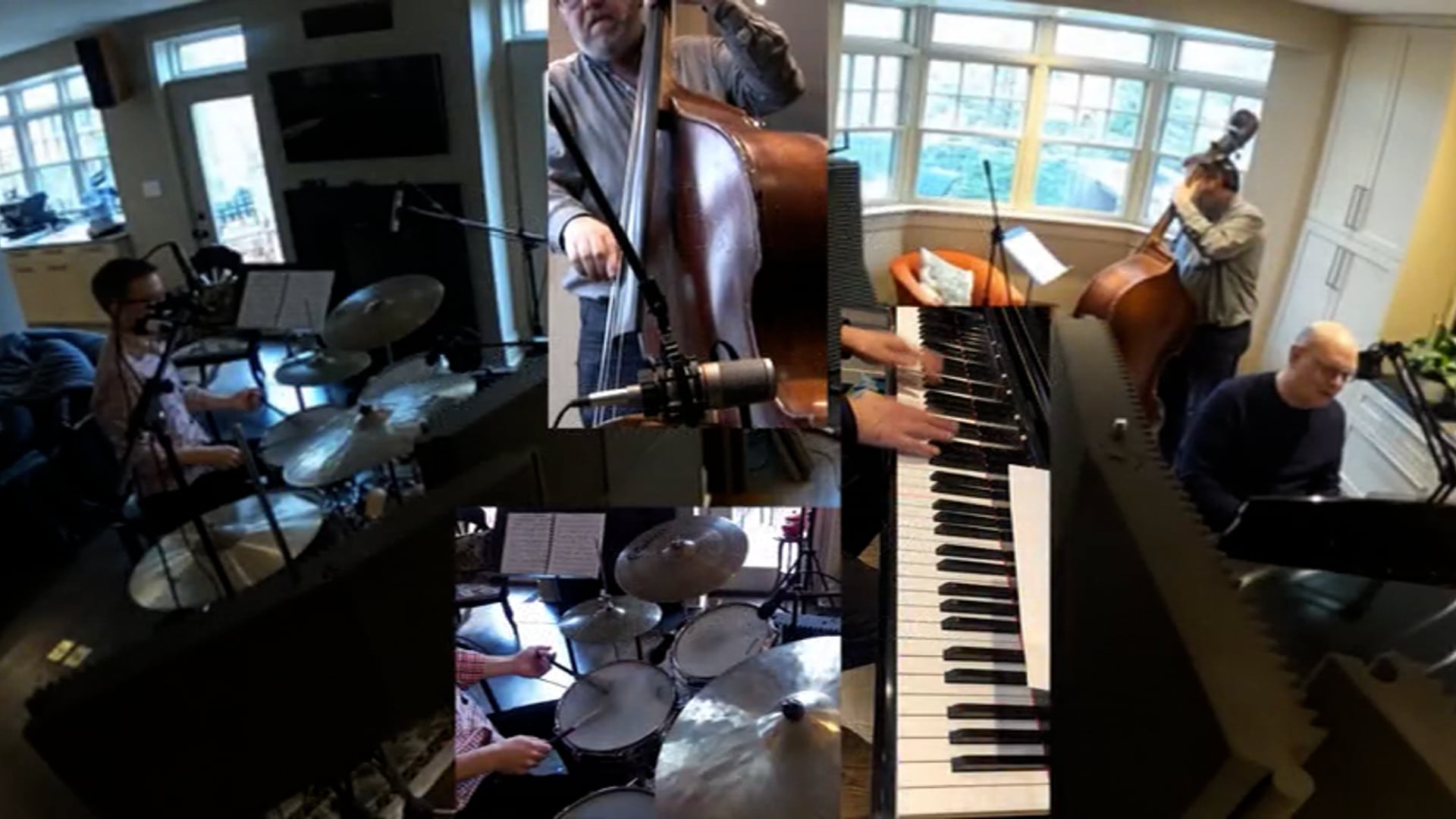
I must say that the sound quality was great and its so marvellous to have the opportunity to soloists hands close up;-, Marks amazing touch and feel on piano, Steve plucking that base making miracles and the other Mark on drums. Salut. A revelation!
Judith
Thank you so much, Judith. It is a privilege to be able to work with these musicians.
Hi John,
I have been trying to access the streaming performance by the trio for a while now without success. Thinking it was my computer I have tried all kinds of “fixes” to no avail. The last one I tried was clearing my DNS cache and today I tried “pinging” your web site as well as gstatic.com to see if anybody was home. This also didn’t work. Waiting for gstatic is where the download starts circling.
So now I am wondering if any other “Jazz Kitchener” is having the same problem.
Would appreciate any comments you may have.
Thanks,
Al Minshull
Hi Al
I’m sorry for your trouble. The site has a plugin that formats the videos into nice columns. I noticed that it was causing an erratic behaviour in the plugins list. I deactivated it as a test. The videos now appear as a list instead of a column.
Please see if it works for you now. I’ve checked the site from here, on my PC and from my phone, and all seems OK.
Cheers!
John
Hi Al
I upgraded that plugin to the newest version. I hope this fixes your problem.
Cheers!
John
John,
I have made some progress !
Before I contacted you I could not bring up the “Trio Videos” section of the main page, but now I can, but the individual songs on the list still won’t load. This is probably due to the what you did at your end, so I will continue working on my computer until I find the answer.
Many thanks. I will let you know when I get it fixed, hopefully in a few days.
Al
John,
My problem is fixed!
I had to open a new tab to get to the list, but that’s okay
I am now enjoying the amazing renditions you guys supply.
Many thanks,
Al Minshull
Yahoo!!! And, Al, thank you again for your generous tip jar contribution. All the best, John